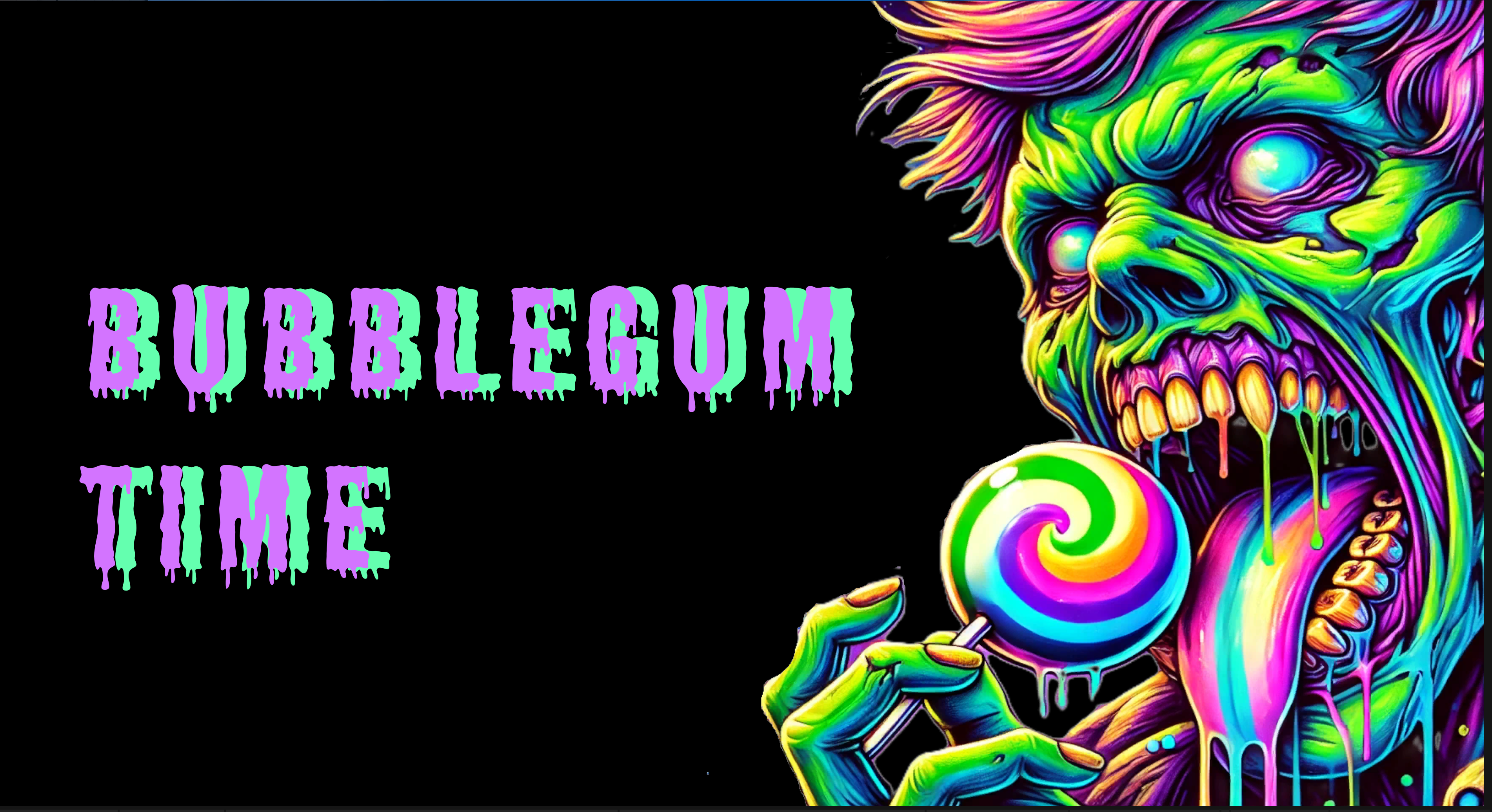
BubbleGum TakeOver
Stylised zombie game featuring candy-coated infected enemies, strange factory conspiracies, and chaotic gameplay systems.
A collection of prototypes, collaborations, university projects, experimental systems, and unfinished ideas developed throughout my journey as a gameplay programmer.
Stylised zombie game featuring candy-coated infected enemies, strange factory conspiracies, and chaotic gameplay systems.
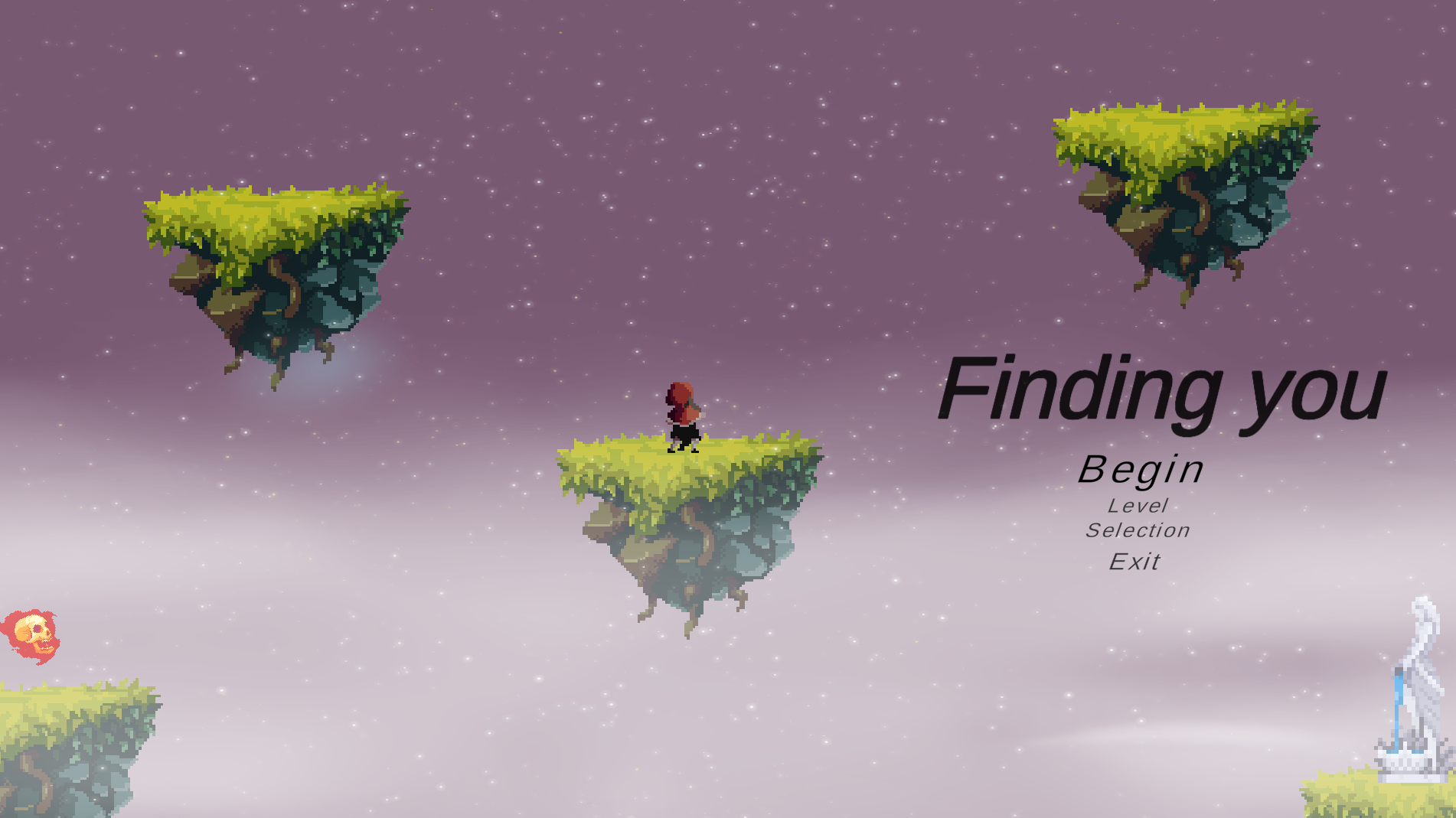
Small 2D platformer focused on interaction systems, puzzle progression, and responsive movement.
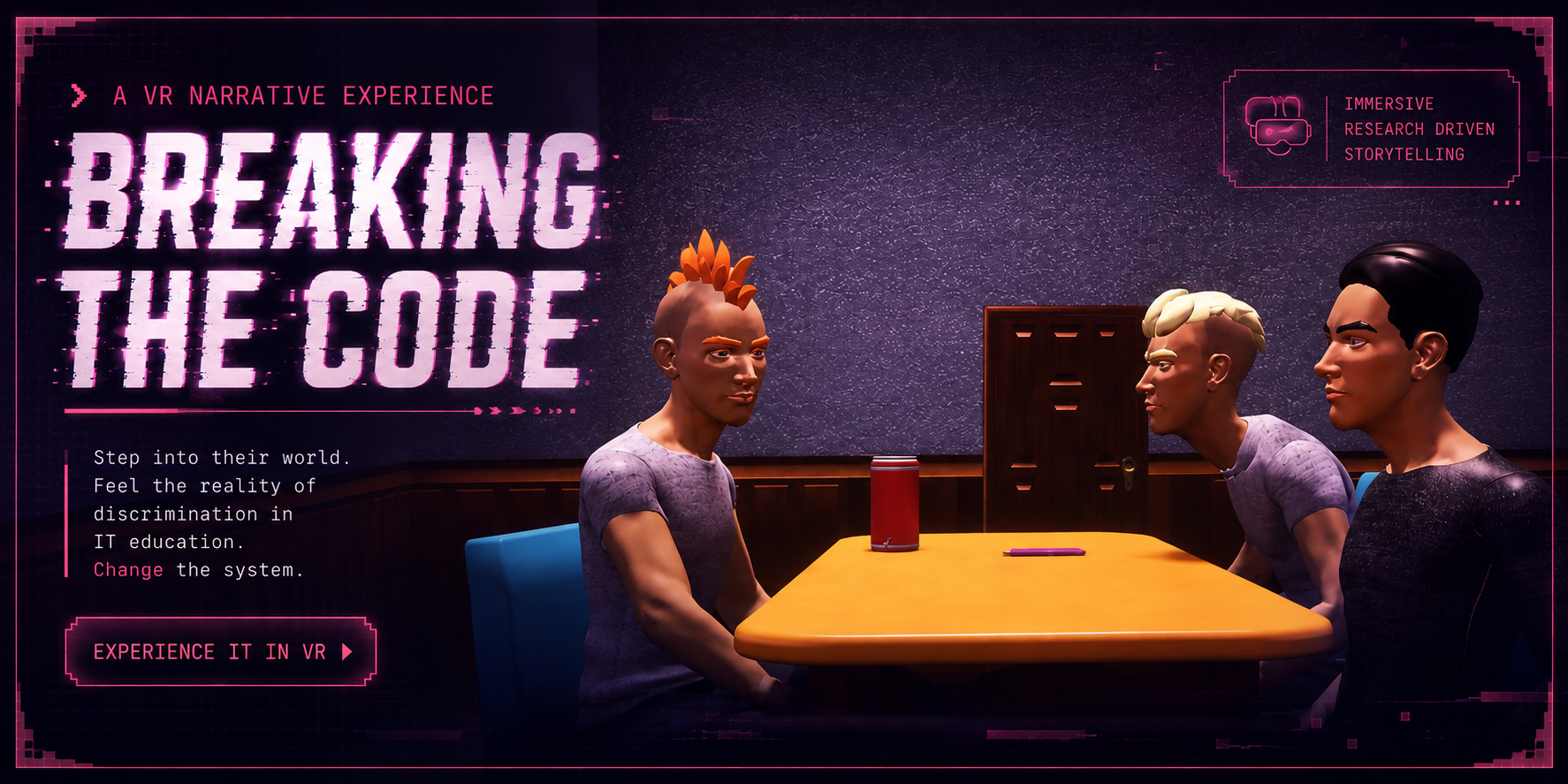
a narrative-driven VR experience. Experience what it's like to be a female in a STEM related course.
BubbleGum TakeOver is a stylised 3D zombie game where players take on the role of Lila, an employee at a bubblegum factory. After a mysterious outbreak transforms the world into hordes of candy-coated, bubblegum-chewing zombies, Lila begins to suspect the rival bubblegum company may be responsible. Determined to uncover the truth, she ventures into the competitor’s factory to investigate the source of the strange infection. The inspiration of this project was LolliePop Chainsaw.
I worked on this project alone. I worked on the following - gameplay systems, enemy functionality, interaction mechanics, and overall game feel. The project focused heavily on creating a chaotic but playful gameplay experience inspired by retro zombie games with a colourful twist.
The project was eventually archived during development. Originally created as part of a university project, BubbleGum TakeOver was my first attempt at developing an indie-style game within Unreal Engine.
While development was progressing well, balancing multiple university game projects alongside the ambitious scope I had planned for the game became increasingly difficult.
Rather than rush the project or compromise the vision, I decided to archive it temporarily. Despite this, the project became an important learning experience in scope management, gameplay programming, and working within Unreal Engine.
Through development I improved my understanding of:
For my foundation studies, we were tasked with creating a game in Unity to demonstrate our understanding of core game development principles. I chose to build a 2D platformer inspired by the classic gameplay I grew up with. The game focuses on traditional platforming mechanics: jumping on enemies to defeat them, navigating moving platforms, flipping switches to unlock paths, and using bounce pads to reach new areas. The experience builds toward a main boss encounter, where players must avoid projectile attacks and timed hazards while using stomp-based combat to win. This project allowed me to showcase player movement systems, enemy interactions, and level-based puzzle mechanics within a cohesive platforming experience.
Finding You was developed as a solo indie-style project, meaning I was responsible for every aspect of development. This included gameplay programming, player movement systems, enemy behaviours, level design, UI implementation, puzzle mechanics, and overall game feel.
The project was created to explore classic 2D platforming design while improving my understanding of responsive controls, progression systems, and cohesive gameplay flow.
Despite enjoying the development of the project, the game was originally intended as a showcase of my skills and understanding when I first entered university.
As my experience and ambitions grew throughout my studies, the project gradually became more of a learning milestone than a long-term production project.
Through development I improved my understanding of:
Breaking The Code is a narrative-driven VR experience created as part of my dissertation project within Unreal Engine. The experience explores the challenges women can face within STEM-related education and environments through immersive storytelling.
Players progress through a series of interactive scenes designed to reflect real-world experiences, emotions, and social pressures within academic spaces. The project focused heavily on atmosphere, player immersion, and environmental storytelling within VR.
This was a solo-developed dissertation project where I handled all aspects of development, including gameplay scripting, VR interaction systems, level design, UI implementation, narrative sequencing, and overall player experience design.
I also researched player immersion and environmental storytelling techniques to support the narrative themes explored throughout the experience.
The project was created to explore how virtual reality can be used as a tool for narrative empathy and awareness. I wanted to create an experience that encouraged players to reflect on gender-related experiences within STEM education through interactive storytelling rather than traditional presentation methods.
Breaking The Code also allowed me to combine technical gameplay programming with narrative design and immersive VR development.
Through development I improved my understanding of: